
Starting a junk removal business can be a practical way to enter the service industry without opening a traditional shop or investing in large amounts of inventory. Homeowners need help clearing unwanted furniture, old appliances and household clutter, while landlords, property managers and businesses may need assistance with cleanouts and property turnovers.
However, running a successful junk removal company involves more than owning a truck and collecting unwanted items. You need a clear service offering, a reliable disposal process, appropriate insurance, sensible pricing and a plan for finding customers.
If you’re researching how to start a junk removal business, the best approach is to begin with a manageable operation and build it around real customer needs. You can start with a limited service area, learn which jobs are profitable and expand your equipment or team as demand grows.
This guide explains the main steps, from planning your first service to building a local reputation and managing day-to-day operations.
1. Decide Which Junk Removal Services You Want to Offer
Before buying equipment or advertising your business, decide what types of items you want to collect and who your ideal customers will be.
A focused service offering makes it easier to estimate costs, choose equipment and explain your services to potential customers.
Common junk removal services include:
- Furniture removal: Collecting unwanted sofas, beds, tables, chairs and wardrobes.
- Appliance removal: Removing eligible household appliances and arranging appropriate disposal.
- Household junk removal: Clearing boxes, general clutter and unwanted belongings.
- Garage and storage cleanouts: Helping customers clear accumulated items from storage spaces.
- Property cleanouts: Removing unwanted contents during a move, renovation or property turnover.
- Office cleanouts: Collecting unwanted office furniture, shelving and other eligible items.
- Construction debris removal: Hauling permitted building materials and renovation waste, subject to vehicle capacity and disposal requirements.
You don’t need to offer every service from day one. For example, a new operator might focus on furniture removal and household cleanouts before accepting larger commercial jobs.
Think about the physical work, disposal arrangements and equipment each service requires. Heavy construction debris, for instance, can create different loading, weight and disposal challenges from ordinary household furniture.
2. Research Your Local Market
A junk removal business depends on customers in the areas where you operate. Before investing heavily, research the local market to understand which services people need and how competing companies position themselves.
Start by reviewing other junk removal providers in your intended service area. Look at their service pages, customer reviews, advertised services, quote processes and the types of jobs they appear to target.
Pay attention to the questions customers ask. They may want to know whether a company removes heavy furniture, accepts appliances, handles apartment cleanouts or provides an estimate before starting work.
You can also speak with potential referral partners, such as:
- Estate agents and property managers
- Landlords and rental property operators
- Moving companies
- Home improvement contractors
- Storage facility managers
- Local businesses that periodically replace furniture or equipment
These relationships can introduce you to customers who need removal services repeatedly.
Choose a manageable service area
A clearly defined operating area helps reduce unnecessary driving and makes scheduling easier. Start with a city or a small group of nearby communities rather than promising service across a very large region.
For example, a junk removal operator serving Charlotte, North Carolina, could initially focus on Charlotte and selected nearby communities before expanding further.
Research where your potential customers live, how far you’re willing to travel and which disposal facilities are practical to reach. A job that looks profitable at first can become less attractive when travel time, fuel and disposal fees are included.
3. Create a Business Plan and Set a Realistic Budget

A simple business plan helps you understand how much money you need, how you’ll attract customers and what your business must earn to cover its expenses.
Your plan doesn’t need to be complicated. Start by documenting the following:
- Target customers: Homeowners, landlords, property managers or commercial clients.
- Services: The specific types of junk removal and hauling jobs you’ll accept.
- Startup expenses: Vehicle, equipment, insurance, registration and initial marketing.
- Ongoing expenses: Fuel, maintenance, labour, disposal fees, advertising and software.
- Revenue goals: The number of jobs you need to complete each week to cover your costs.
- Growth plans: When you might hire a helper, upgrade your vehicle or expand into another area.
How much does it cost to start a junk removal business?
The startup cost depends largely on whether you already own a suitable vehicle and how much work you intend to handle.
A small operation using an existing pickup truck may require considerably less investment than a company purchasing a dedicated box truck, hiring employees and launching a large advertising campaign. Current industry guides reflect this wide range, so use estimates as planning references rather than guaranteed costs.
LegalClarity
+1
Budget for these major expenses:
| Expense | What to consider |
| Vehicle or trailer | Purchase, rental, financing and carrying capacity |
| Business registration | Formation fees and any required local registrations |
| Insurance | Commercial vehicle and general liability coverage |
| Equipment | Dollies, straps, tarps, gloves and protective footwear |
| Disposal | Landfill, transfer station, recycling and other facility fees |
| Marketing | Website, business listings, printed materials and advertising |
| Working capital | Fuel, repairs, payroll and other early operating expenses |
Keep some cash available for unexpected repairs, quieter weeks and disposal charges. Spending the entire budget on a vehicle can leave too little money to operate the business effectively.
4. Register Your Business and Check Local Requirements
Before accepting paid jobs, establish the appropriate legal and administrative arrangements for your location.
In the United States, your business structure, registration obligations, taxes, permits and insurance needs can vary according to the state, county, city and type of work you perform. The U.S. Small Business Administration provides guidance on business formation, registration, licences and insurance.
Small Business Administration
Work through these steps:
- Choose a business name. Select a name that’s easy to remember and suitable for your services. Check whether it is available for registration and whether a suitable website domain is available.
- Select a business structure. Consider the advantages and responsibilities of operating as a sole proprietor, LLC or another suitable entity. Professional advice can help you understand liability and tax implications.
- Complete the required registrations. Check federal, state and local requirements for your business.
- Confirm tax obligations. Determine which tax registrations, records and filings apply to your activities.
- Check hauling and waste requirements. Ask the relevant authorities whether your services require special permits, registrations or approved disposal arrangements.
- Arrange suitable insurance. Discuss your activities with an insurance professional before starting work.
What about starting in Charlotte, North Carolina?
If you plan to operate in Charlotte, confirm the requirements that apply to your specific business model before investing in equipment.
Check with the relevant North Carolina and local authorities about business registration, commercial vehicle rules, waste transportation, disposal facilities and any material-specific restrictions. Requirements for ordinary household junk may differ from those for construction waste, refrigerant-containing appliances or hazardous materials.
Never assume that permission to operate a general service business automatically authorises every type of waste collection or transportation.
5. Choose the Right Truck and Equipment
Your vehicle affects which jobs you can accept, how much you can transport and how efficiently you can complete each collection.
A pickup truck with a suitable trailer may work for a small operation, provided the combined setup is appropriate for the loads you intend to carry. A larger truck may be more practical when you regularly handle bulky furniture or multiple-item cleanouts.
Before purchasing a vehicle, consider:
- Payload and towing capacity
- Loading height and access
- Space for bulky items
- Fuel consumption
- Maintenance and repair costs
- Insurance requirements
- Parking and storage arrangements
Remember that a truck’s physical space is not the same as its legal payload capacity. Heavy materials can exceed weight limits before the vehicle looks full.
Essential junk removal equipment
You can build your equipment collection gradually, starting with items needed for your chosen services.
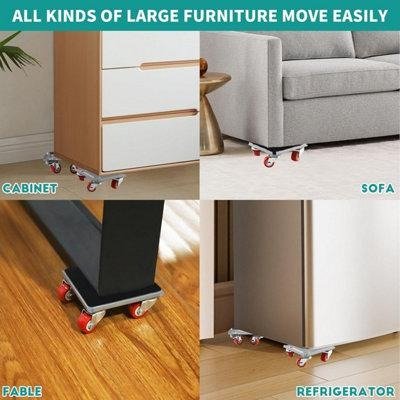
Moving dollies and hand trucks
Help move heavy furniture and suitable appliances with better control and less unnecessary lifting.
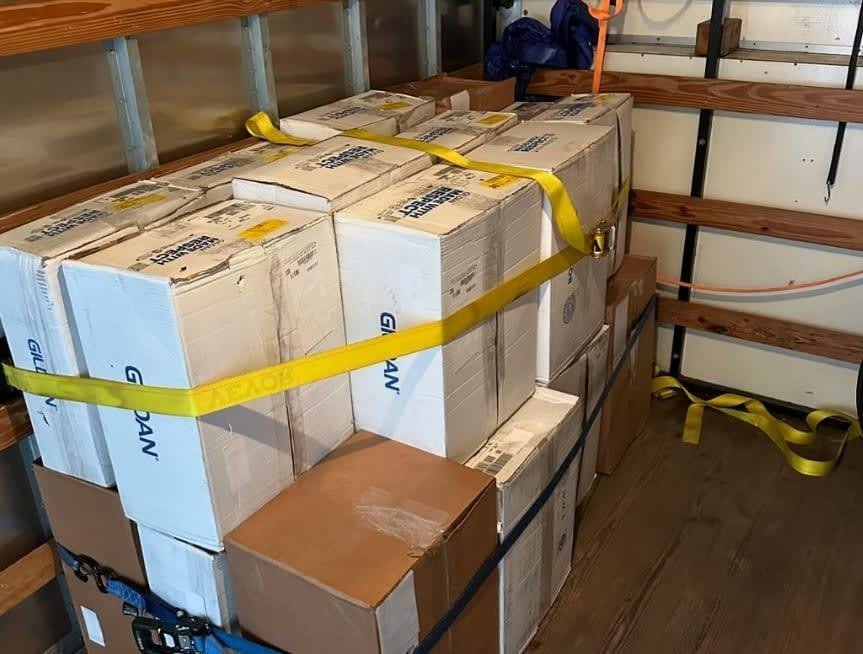
Straps and tarps
Help secure loads and protect eligible items during transportation.

Protective equipment
Gloves, safety glasses, suitable footwear and other task-specific protection support safer working practices.
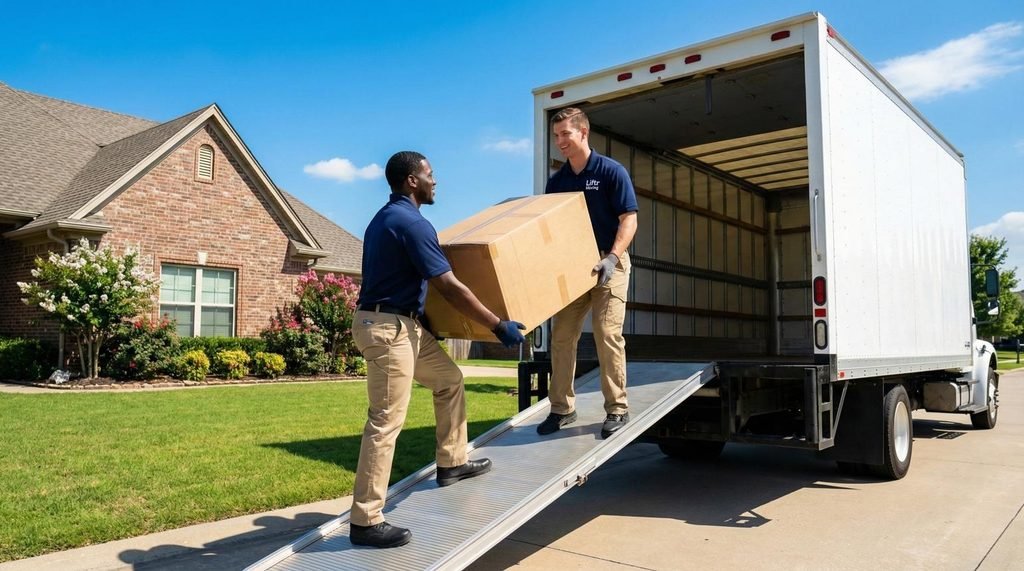
Loading equipment
Suitable ramps and lifting aids can make moving bulky items easier when used within their rated limits.
Keep your equipment in good condition and train anyone helping with collections. Avoid lifting loads beyond your capabilities, and arrange specialist handling when an item requires equipment or expertise you don’t have.
6. Build a Reliable Disposal and Recycling Process
A responsible disposal process is one of the foundations of a professional junk removal business.
Before accepting your first job, identify suitable landfills, transfer stations, recycling facilities and donation organisations in your operating area. Ask each facility which materials it accepts, what charges apply, whether commercial haulers need accounts and whether appointments are necessary.
Create a simple system for sorting collected items into appropriate categories:
- Reusable furniture and household goods
- Items suitable for donation, where accepted
- Recyclable materials
- General waste
- Items requiring specialist handling or disposal
Not every item can be donated or recycled, and acceptance policies vary between organisations. Confirm arrangements before promising customers that their belongings will be reused.
Know which materials need special handling
Some items require additional precautions or specific disposal routes. These can include batteries, chemicals, paint, certain electronics, refrigerant-containing appliances and other regulated materials.
Don’t place questionable materials into an ordinary load without checking the applicable rules. If you cannot safely identify or handle an item, explain the limitation and refer the customer to an appropriate specialist.
A clear disposal process helps you estimate costs accurately, plan routes and demonstrate responsible business practices.
7. Develop a Pricing Strategy That Covers Your Costs
Your pricing must cover the work involved in each collection, not just the time spent loading a truck.
Many junk removal businesses use volume-based pricing, while others charge according to item type, labour, weight or a combination of factors. The right method depends on your services and local market.
When preparing a quote, consider:
- The amount of space the items will occupy
- The type and weight of the materials
- The labour required for removal
- Stairs, difficult access or unusually heavy items
- Travel time and distance
- Disposal and recycling charges
- Vehicle expenses and overheads
For example, removing a single sofa from an easily accessible ground-floor room may require less labour than clearing an entire garage filled with mixed materials. Even if both jobs use the same vehicle, their costs can differ considerably.
Calculate your minimum viable price
Start with the costs of completing the job and add enough to contribute towards your regular business expenses and profit.
A useful calculation is:
Job price = Direct job costs + Allocated overheads + Desired profit
Direct costs include labour, fuel and disposal fees. Overheads may include insurance, software, advertising and vehicle payments.
Track your actual expenses after each job. Over time, this information will help you improve estimates and identify services that generate a worthwhile return.
Provide customers with a clear explanation of what the quote includes, how additional items are handled and whether disposal charges or other fees could change the final price. Honest communication helps establish trust before the work begins.
8. Create a Local Marketing Plan
A new junk removal company needs a dependable way to attract customers. Start with a professional online presence, a clear service offering and consistent communication.
Build a website that answers customer questions
Your website should make it easy for potential customers to understand what you remove, where you operate and how to request a quote.
Include dedicated information about your main services, such as furniture removal, household junk removal, property cleanouts and commercial hauling where offered.
Useful website elements include:
- Clear service descriptions
- Accurate service-area information
- A visible telephone number and enquiry form
- An explanation of the quoting process
- Answers to common customer questions
- Real photographs of your work, where available
Avoid claiming that you provide services or operate in locations you haven’t confirmed you can cover.
Optimise your Google Business Profile
For an eligible local business, a properly configured Google Business Profile can help customers discover your services through Google Search and Maps.
Keep your business information accurate, select the most appropriate categories and describe your actual services. Add genuine photographs and ask customers for honest reviews after completed jobs.
Follow Google’s eligibility and verification requirements. Do not use a virtual office or an ineligible address simply to appear in more local searches.
Use local SEO to attract relevant enquiries
Local search visibility improves when your website clearly explains the services you provide and the places you genuinely serve.
For a business in the Charlotte area, relevant location pages may cover Charlotte, Matthews, Weddington, Ballantyne, Waxhaw and Huntersville, provided the business actually serves those communities.
Each page should offer useful local information rather than repeating the same paragraph with a different city name.
For example, a furniture removal page should explain what types of furniture are accepted, how customers can request an estimate and what they should prepare before collection.
Publish helpful articles that answer genuine customer questions, too. Topics could include preparing for a house cleanout, deciding what to do with unwanted furniture or understanding the difference between junk removal and moving services.
Develop referral partnerships
Local relationships can provide a steady source of enquiries.
Introduce your business to estate agents, landlords, property managers, storage facilities and moving companies. Explain your services clearly and make it easy for them to contact you when a suitable job arises.
You can also test paid advertising, but begin with a defined budget and track which campaigns generate completed, profitable jobs rather than measuring success by clicks alone.
9. Organise Your Daily Operations
Good systems help a small junk removal business deliver a consistent service as the number of bookings increases.
A straightforward booking process might follow these stages:
- Receive the enquiry. Ask what needs removing, where the items are located and whether there are access restrictions.
- Assess the job. Request photographs or arrange an assessment when necessary.
- Provide the quote. Explain the scope, pricing basis and any relevant limitations.
- Schedule the collection. Confirm the agreed date, arrival arrangements and customer contact details.
- Complete the removal. Use suitable equipment and protect the customer’s property.
- Sort and transport the load. Follow your disposal and recycling procedures.
- Record the payment and expenses. Update your records and note any costs that differed from the estimate.
Use a calendar or booking system to organise appointments. Keep records of quotes, invoices, receipts, mileage and disposal fees, and review them regularly to understand your business’s financial position.
If you hire employees or subcontractors, establish clear responsibilities, provide appropriate training and check the employment, insurance and safety requirements that apply.
10. Build Your Business Gradually
Once you have a consistent flow of enquiries, use your results to decide where to invest next.
You might expand your service range, hire an additional worker, purchase a larger vehicle or build relationships with more commercial customers. Each decision should be supported by actual demand and a realistic financial assessment.
Monitor a few important figures each month:
- Number of enquiries received
- Percentage of enquiries converted into bookings
- Average revenue per job
- Direct cost per collection
- Customer acquisition cost
- Profit after operating expenses
These figures show whether your marketing, pricing and operations are working together.
A full schedule does not automatically mean a profitable business. If jobs are priced too low, involve excessive travel or incur high disposal fees, increasing the number of bookings may not improve the financial result.
The aim is to build a business that completes suitable jobs efficiently, treats customers fairly and maintains enough cash to cover its ongoing responsibilities.
How Carolina Premier Moving & Hauling Fits Into the Junk Removal Industry
For readers in the Charlotte area who are researching junk removal as a business opportunity but also need help clearing unwanted items, it is useful to understand the difference between starting an operation and hiring an established service provider.
Carolina Premier Moving & Hauling provides junk removal, furniture and unwanted-item removal, hauling and moving services for customers in Charlotte and nearby communities.
Its junk removal service is relevant to homeowners and businesses that need assistance removing unwanted furniture, appliances, boxes and household clutter. The company also offers local moving services, which can be useful when unwanted-item removal is part of a wider relocation.
Customers in Charlotte, Matthews, Weddington, Ballantyne, Waxhaw and Huntersville can contact the company to discuss their requirements and request a quote.
Frequently Asked Questions
1. Is a junk removal business profitable?
It can be profitable when pricing covers labour, transportation, disposal fees, insurance, marketing and other operating costs. Actual results depend on local demand, competition, the types of jobs accepted and how efficiently the business operates. There is no guaranteed income level.
2. Can I start a junk removal business with a pickup truck?
Yes, a suitable pickup truck can be a starting point for a small operation, provided its carrying or towing capacity is appropriate and you meet applicable legal and insurance requirements. You can focus on manageable jobs before investing in a larger vehicle.
3. Do I need a licence to start a junk removal business?
Requirements depend on your location, business structure and the materials you transport. Check business registration, local permits, commercial vehicle requirements and any waste-hauling rules before accepting paid work.
4. What equipment do I need for junk removal?
Basic equipment may include a suitable vehicle, moving dollies, lifting aids, straps, tarps, gloves, protective footwear and other safety equipment appropriate to the work. Larger or specialist jobs may require additional equipment.
5. How do junk removal companies charge customers?
Common pricing methods include volume-based rates, item-based quotes and charges based on labour or material type. Businesses should account for transport, disposal, labour and overheads when calculating their prices.
6. How can I get my first junk removal customers?
Start with a professional website, an eligible and accurate Google Business Profile, local networking and referrals. Reach out to relevant businesses, ask satisfied customers for honest reviews and track which marketing activities produce profitable bookings.
Final Thoughts
Learning how to start a junk removal business begins with understanding the work, the costs and the requirements in your operating area. From choosing your services and purchasing suitable equipment to arranging disposal, setting prices and attracting customers, each decision contributes to how well the business functions.
Start with a clear plan, keep your initial expenses manageable and establish reliable systems before expanding. Focus on accurate quotes, responsible disposal, safe working practices and straightforward customer communication.
With a well-planned approach and consistent attention to costs, a small junk removal operation can develop into a sustainable local service business.